Veteran Democrats Election Results: Victories Across America
From the frontlines to the front of campaigns, Veteran Democrats are flipping seats, outperforming expectations, and delivering victories in competitive battlegrounds. As a result, these election results demonstrate the Warrior Democrat strategy in action.
These Veteran Democrats election results aren’t theory. Instead, they represent a decade of electoral success. From the 2018 wave that delivered the House majority to Ruben Gallego’s 2024 Senate victory in Trump-won Arizona, Veteran Democrat candidates consistently overperform in swing districts and states.
These aren’t symbolic candidates or token recruits. Rather, they’re Marines who led combat patrols in Fallujah, Army Rangers who deployed to Afghanistan, and Navy pilots who flew missions in the Middle East. Some are CIA analysts who briefed presidents. Most importantly, they’re winning in places Democrats aren’t supposed to win. Learn why Veteran Democrats win elections where others struggle.
2024 Winners: Senate and National Races

Ruben Gallego
The Story
Raised by a single mother in Chicago after his father abandoned the family, Ruben Gallego grew up on food stamps and in Section 8 housing. His mother, a Colombian immigrant, worked multiple jobs to support four kids. After earning a scholarship to Harvard and graduating in 2004, Gallego immediately enlisted in the Marine Corps, walking away from lucrative job offers to serve his country.
In 2005, Corporal Gallego deployed to Iraq with Lima Company, 3rd Battalion, 25th Marines, one of the hardest-hit Marine reserve units of the war. His unit suffered 48 casualties, including 22 killed in action. During this deployment, Gallego served as a machine gunner in urban combat operations in Fallujah and ar-Rutbah, earning the Iraq Campaign Medal and Navy & Marine Corps Achievement Medal.
After returning home, Gallego became a veterans advocate and then entered Arizona politics: State House (2010), U.S. House (2014), and finally U.S. Senate (2024). His Senate campaign ran on border security, veterans issues, and economic populism, positioning as a moderate while Trump ally Kari Lake ran to the far right.
The Results
Trump won Arizona by 5.5%. Nevertheless, Gallego won anyway. He flipped enough Trump voters and independents to overcome a 185,000-vote deficit at the top of the ticket.
Campaign Strategy That Worked
- “Veterans for Gallego” coalition: Featured Gold Star families, retired generals, and fellow Iraq/Afghanistan vets in ads
- First Spanish-language border security ad: Positioned as tough on immigration, effectively undercutting GOP attacks
- Refused to go negative on Trump: Focused on Kari Lake’s extremism instead, thereby winning Trump-Gallego voters
- Marine identity front and center: Every ad, every speech, and every interview mentioned Iraq service

Tim Walz
The Story
A teacher and football coach from rural Nebraska, Tim Walz enlisted in the Army National Guard at 17 and served for 24 years, retiring in 2005 as a Command Sergeant Major, one of the highest enlisted ranks in the U.S. military. Throughout his service, he participated in disaster relief, overseas deployments in support of Operation Enduring Freedom, and training future soldiers.
After retiring from the Guard, Walz continued teaching in Mankato, Minnesota. There, he sponsored the first gay-straight alliance at his high school in rural Minnesota, a move that required courage in a conservative community. Then in 2006, he ran for Congress in Minnesota’s 1st District, a Republican seat that Bush won by 8 points in 2004.
Walz won by 6 points, thereby flipping the district blue. He held the seat for 12 years, became the ranking member of the Veterans Affairs Committee, and never lost touch with his rural, working-class roots. Subsequently, in 2018, he ran for governor and won. In 2024, Kamala Harris chose him as her running mate, the first enlisted service member on a major party ticket since 1952.
The Results
Walz showed Veteran Democrats can win and hold Trump country. For context, Minnesota’s 1st District went for Trump by 10+ points in 2016, after Walz left. His record therefore demonstrates the staying power of military credentials in rural districts.
What Made Walz Work
- Coach and teacher identity: Relatable to working families, which softened the “military guy” stereotype
- Gun owner who supports gun safety: Successfully threads the needle in rural districts where Dems struggle
- “Mind your own damn business” framing: Midwestern populism that appeals strongly to independents
- 24 years of service: Credentials that opponents found nearly impossible to challenge
2018: When Veterans Helped Deliver the House
In 2018, Democratic recruiters used a straightforward approach: find veterans willing to run in swing districts, fund them well, and let their service speak for itself. The DCCC, VoteVets, and New Politics PAC recruited 30-40 veteran candidates. Consequently, 41 House seats flipped from red to blue, delivering Democrats their first majority since 2010.
Veteran Democrat candidates didn’t just win. In fact, they overperformed non-veteran Democrats by an average of 3-5 points in swing districts. Below are four of the most significant Veteran Democrats election results from 2018:
Four Veterans Who Flipped Red Districts Blue

An Army Ranger with three combat deployments, Crow defeated a five-term GOP incumbent in suburban Denver. His campaign centered on healthcare and veterans issues, with his Ranger tab front and center. Today, he’s in his fourth term.
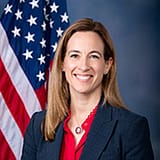
A former Navy helicopter pilot and federal prosecutor, Sherrill flipped a suburban New Jersey district that had been Republican for decades. During her Navy career, she flew missions in Europe and the Middle East and later served as a Russian policy officer. Since then, she has won reelection three times.
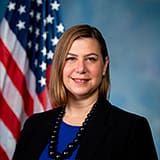
A CIA analyst who briefed presidents and deployed to Iraq three times alongside military units, Slotkin flipped a rural Michigan district Obama lost twice. She held the seat for three terms before winning her 2024 Senate race. Although Slotkin served as CIA rather than military, her national security background provided similar electoral advantages.

An Air Force veteran and Stanford-educated engineer, Houlahan flipped a suburban Philadelphia district that hadn’t elected a Democrat since before the Civil War. Her campaign focused on healthcare and veterans issues. Since then, she has won reelection three times and now serves on the Armed Services Committee.
The 2018 Wave by the Numbers
Veteran candidates played a significant role in the 2018 Democratic wave. In competitive suburban districts, for example, veterans like Mikie Sherrill (NJ), Chrissy Houlahan (PA), and Jason Crow (CO) flipped Republican-held seats by using their service credentials to appeal to independents and ticket-splitters. As a result, their success ultimately showed that military backgrounds can provide a measurable advantage with swing voters in purple districts.
Comparing Veteran and Non-Veteran Performance
The data tells a consistent story: In swing districts and states, Veteran Democrat candidates outperform non-veteran Democrats with independents, moderates, and even soft Republicans. Here’s what specifically drives that advantage:
Six Key Advantages of Veteran Candidates
Authority on Security
Voters trust veterans on national security, military spending, and foreign policy, areas that are traditionally GOP strengths. As a result, this neutralizes Republican attacks and shifts the campaign onto Democratic turf: healthcare, education, and the economy.
Service Over Politics
Military service signals sacrifice, patriotism, and duty, which are qualities independents value highly. Therefore, veterans can say “I served my country before I served my party” and voters genuinely believe it.
Harder to Attack
Negative ads questioning a veteran’s judgment, toughness, or patriotism tend to backfire. For instance, Republicans learned this lesson in 2018 when attack ads on veteran Dems actually energized Democratic turnout.
Cross-Party Appeal
Veterans attract Trump voters who respect military service even when they disagree on policy. Specifically, Gallego won an estimated 7-8% of Trump voters in Arizona. Similarly, Slotkin held a Trump+7 district for three terms.
Fundraising Advantage
Veteran candidates attract donors who might otherwise sit out Democratic races. In 2018, for example, veteran candidates like Houlahan and Sherrill each raised over $4 million, outpacing non-veteran challengers in similar districts. Essentially, military credentials signal electability to donors.
Earned Media Credibility
Local and national media give veteran candidates more coverage and more favorable framing. In particular, stories about “combat veteran challenges incumbent” generate interest that “attorney challenges incumbent” does not, thereby reducing the need for paid advertising.
2024 Senate Performance Data
| Candidate | State | Service Background | Margin vs. Harris | Result |
|---|---|---|---|---|
| Ruben Gallego | Arizona | Marine Corps, Iraq | +8.0% | WON |
| Elissa Slotkin | Michigan | CIA analyst, three Iraq tours | +0.3% | WON |
| Tammy Baldwin | Wisconsin | None | -0.8% | WON (narrowly) |
| Jacky Rosen | Nevada | None | -2.4% | WON (narrowly) |
| Bob Casey | Pennsylvania | None | -0.4% | LOST |
Pattern: Candidates with military or national security backgrounds outperformed non-veteran Democrats in comparable swing states. Notably, Gallego’s +8% overperformance is the highest of any Senate candidate in 2024. Meanwhile, Slotkin was the only Democrat to flip a Senate seat. Although Slotkin’s background is CIA rather than military, her national security experience provided similar electoral advantages.
What These Veteran Democrats Election Results Mean for 2026
From Fallujah to Phoenix and from helicopters over the Mediterranean to the halls of Congress, Veteran Democrats have won the toughest races in America. They flip Trump districts, hold swing seats, and consistently outperform the top of the ticket.
The 2026 midterms are approaching. VoteVets is investing $1 million to recruit veteran candidates. The infrastructure exists, and the approach has been tested. Consequently, these election results clearly show what’s possible when Democrats invest in veteran candidates.
The question isn’t whether this approach can work. The results answer that question definitively. Instead, the question is: Will Democratic party leaders, donors, and consultants commit to it at scale?
Explore the complete Warrior Democrat strategy that produced these results, or learn why veterans consistently win elections in competitive districts. Additionally, return to our homepage to see the Warrior Democrat advantage in action.