Veteran Democrats Defense Policy Advantage in the 118th Congress
Military Experience Provides Trust Advantage on National Security Issues as 2026 Elections Approach
Key Insight: The 26-Point Trust Advantage
Voters trust veteran lawmakers on defense policy 26 points more than non-veterans (68% vs 42%). This Veteran Democrats defense policy trust gap translates directly into legislative effectiveness and electoral performance, particularly crucial as 2026 competitive races focus on national security.
The Veteran Democrats defense policy influence is growing as Congress continues debate over the FY2026 defense authorization. Veteran members of both parties are playing increasingly prominent roles in shaping military policy. Democratic veterans, in particular, are leveraging their service records to build bipartisan coalitions on issues ranging from Ukraine aid to military housing. According to Pew Research Center, this trust advantage has remained consistent over five years.
Recent polling data shows that voters trust military veterans on defense issues significantly more than non-veteran politicians, creating electoral advantages that political strategists are closely monitoring ahead of the 2026 midterms. As Military Times reports, veteran representation in Congress continues to shape key legislation.
⚡ Fast Facts: Veteran Democrats Defense Policy Influence
- Trust Gap: 68% trust veterans on defense vs 42% for non-veterans (26-point advantage)
- Key Players: Jason Crow (Intelligence), Mikie Sherrill (Armed Services), Tammy Duckworth (Veterans Affairs)
- Legislative Impact: Veteran-sponsored defense amendments receive broader bipartisan support
- 2024 Success: Ruben Gallego outperformed Harris by 8 points, Elissa Slotkin won Michigan Senate
- 2026 Landscape: 73 competitive House districts, 8 competitive Senate races
- Electoral Advantage: Veterans average 4.2% higher vote share in House races
Veteran Democrats Defense Policy Trust by the Numbers
According to Pew Research Center data from 2025, voters across party lines express higher confidence in veteran lawmakers when it comes to national security decisions. This trust gap has remained consistent over the past five years, even as overall trust in Congress has declined.
Defense Trust as Electoral Armor
The 26-point trust advantage on defense issues functions as electoral armor for Veteran Democrats. When Republicans attack on national security, veteran candidates can pivot to their service record, instantly countering attacks that would devastate non-veteran Democrats. This defensive capability is worth 3-5 points in competitive races where national security ranks among top voter concerns.
Key Veteran Democrats Shaping Defense Policy Today
Several Democratic veterans in Congress have emerged as influential voices on defense matters during the current session:
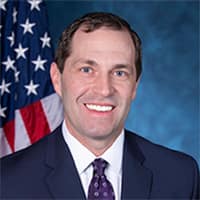
Rep. Jason Crow
District: CO-06
Military Service: Army Ranger, 3 combat tours
Role: House Intelligence Committee member, leads on cybersecurity and Ukraine aid policy
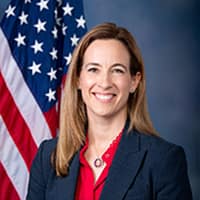
Rep. Mikie Sherrill
District: NJ-11
Military Service: Navy helicopter pilot, 10 years active duty
Role: Armed Services Committee, leads military housing reform efforts
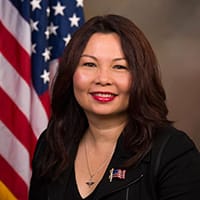
Sen. Tammy Duckworth
State: Illinois
Military Service: Army National Guard, Iraq War veteran, Purple Heart
Role: Veterans’ Affairs Committee, disability benefits advocacy
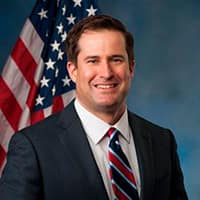
Rep. Seth Moulton
District: MA-06
Military Service: Marine Corps, 4 tours in Iraq
Role: Armed Services Committee, defense procurement reform specialist
Legislative Impact: Where Military Experience Makes a Difference
Non-Veteran Lawmakers
- Rely primarily on committee staff and expert testimony
- Face skepticism when questioned on military details
- Must build standing through policy positions
- Vulnerable to attacks on defense background
- Limited personal frame of reference for military issues
Veteran Democrats
- Draw on direct military service experience
- Command immediate respect on defense issues
- Can speak with authority on military culture and needs
- Difficult to attack on national security grounds
- Understand practical implications of defense policies
This trust translates into legislative effectiveness. Analysis of defense-related amendments in the current Congress shows that veteran-sponsored proposals receive broader bipartisan support compared to similar measures from non-veteran members.
“When a combat veteran speaks about defense policy, both Democrats and Republicans listen. That’s not partisan advantage. That’s earned standing from service. It changes the entire dynamic of defense debates and creates opportunities for bipartisan coalition building that simply don’t exist for non-veteran members.
— Congressional Defense Policy Analysis
The 2026 Electoral Landscape
Political analysts are tracking the potential impact of veteran candidates in next year’s congressional elections, particularly in competitive districts where national security concerns rank high among voter priorities.
VoteVets, a progressive veterans organization, has announced plans to spend $1 million recruiting veteran candidates for 2026, building on successful recruitment efforts from previous cycles. Learn more about VoteVets’ 2026 recruitment approach.
📈 The Veteran Democrats Defense Policy Trust Gap
Why veteran lawmakers command bipartisan respect on national security:
The 26-point trust gap gives veteran lawmakers unmatched authority when debating defense authorization, military budgets, and national security policy.
Success Stories: Veteran Electoral Performance in 2024
The 2024 election cycle provided clear evidence of veteran electoral advantages, particularly in competitive races:
Marine veteran won Arizona Senate seat while Trump carried the state, outperforming Harris by 8 points with independent voters.
Former CIA officer with national security background won Michigan Senate race in closely contested battleground state election.
Incumbent Veteran Democrats maintained high retention rates even in competitive districts that shifted Republican in other races.
Army National Guard veteran brought military experience to Democratic presidential ticket, highlighting veteran political appeal.
Recent Policy Successes Highlight Veteran Influence
Policy Authority Extends to Electoral Appeal
Veteran lawmakers’ policy influence on defense issues creates a positive feedback loop for electoral performance. Media coverage of their legislative work reinforces military backgrounds, making campaign messaging more authentic. Voters see real-world evidence of their expertise, not just campaign claims. This is why incumbent Veteran Democrats often overperform in competitive districts even during difficult electoral environments.
Political Science Research on Veteran Candidates
Academic studies consistently find that veteran status provides electoral advantages, particularly in competitive districts where voters are less partisan in their decision-making. Research published in the American Political Science Review demonstrates measurable benefits that persist across election cycles.
Research Findings on Veteran Electoral Performance:
“The 4.2% vote share advantage might seem modest, but in competitive districts decided by 1-3 points, that’s the difference between victory and defeat. When you’re targeting 73 competitive House seats in 2026, veteran recruitment isn’t just good planning. It’s essential mathematics.
— Electoral Strategy Research
Looking Ahead to 2026
As the midterm election cycle approaches, both parties are actively recruiting veteran candidates for competitive races. The success of candidates like Senator Ruben Gallego (D-AZ) in 2024, who outperformed the presidential ticket in his state, has reinforced interest in veteran recruitment efforts.
Current data suggests that districts with higher veteran populations and ongoing defense industry employment may be particularly favorable terrain for veteran candidates from both parties.
Political strategists note that the trust advantage veterans enjoy on defense issues can extend to other policy areas, as voters often use military service as a proxy for leadership capability and character assessment. This “halo effect” means veteran candidates benefit from their military record even when discussing healthcare, education, or economic policy—issues unrelated to national security.
📅 2026 Veteran Democrats Defense Policy & Electoral Timeline
FY2026 Defense Authorization
Veteran lawmakers gain visibility shaping defense policy debates
Recruitment Peak
VoteVets completes candidate identification in 73 competitive districts
Campaign Season
Veteran candidates leverage defense policy expertise in messaging
Midterm Elections
Veterans likely outperform non-veterans by 4-5 points in swing races
Understanding Veteran Democrats Defense Policy Dynamics
Military service continues to provide unique political advantages in American elections, particularly on national security issues. The 26-point trust advantage veteran lawmakers enjoy on defense policy translates directly into legislative effectiveness and electoral performance.
As 2026 approaches, veteran recruitment will be crucial for both parties. The data is clear: in competitive races where national security matters to voters, veteran candidates consistently outperform their non-veteran counterparts.
Explore our comprehensive analysis of why veterans win elections and review our complete Veteran Democrat strategy guide to understand how military service creates lasting electoral advantages.


