How Military Veterans Win Elections for Democrats
The recruitment strategy that helped flip 41 House seats in 2018, delivered Senate victories in 2024, and will shape control of Congress in 2026.
This Strategy Is Already Working
On November 12, 2024, Marine Corps veteran Ruben Gallego became Arizona’s first Latino U.S. Senator. After deploying to Iraq in 2005 as a combat infantryman, Gallego didn’t just win a close race. Instead, he outperformed Kamala Harris by 8 percentage points in a state Donald Trump carried. That gap demonstrates what happens when Democrats run candidates with military credentials in competitive territory.
This wasn’t luck. It was a deliberate approach in action.
For more context, explore Gallego’s campaign and other Veteran Democrat election results from 2024 and the historic 2018 wave.
Why “Alpha Energy” Matters in Elections
Political analysts from Berkeley to Capitol Hill agree: Democrats need to project strength, confidence, and patriotic pride to win swing voters. Senator Elissa Slotkin, who served three tours in Iraq as a CIA analyst before winning Michigan’s Senate seat in 2024, calls it “alpha energy.” Meanwhile, Berkeley political scientist M. Steven Fish calls it “high-dominance politics.” We call it the Warrior Democrat advantage.
The problem Democrats face is real. After 2024 losses, focus groups revealed voters see the party as “weak and woke,” more concerned with policy details than decisive leadership. However, while politicians scramble to manufacture toughness, Veteran Democrats don’t need to pretend. They earned their authority on the battlefield, not in a consultant’s office.
— Senator Elissa Slotkin, Michigan Democrat
What Political Scientists Know About Leadership Perception
In his 2024 book Comeback, UC Berkeley political scientist M. Steven Fish analyzed decades of electoral data and found a pattern worth noting: Voters favor candidates who project strength and resolve. Specifically, candidates viewed as “more knowledgeable” win about half the time. Similarly, candidates seen as “caring more about people like me” win about half the time. But candidates regarded as the “stronger leader”? They rarely lose.
According to Fish, Democrats have ceded “high-dominance” political communication to Republicans. He points to FDR, JFK, and Martin Luther King as examples of Democrats who once excelled at projecting strength. As a result, his prescription includes finding leaders who:
- Lead with conviction, not caution
- Project confidence and willingness to take risks
- Reclaim patriotism and national symbols
- Use compelling narratives, not policy lists
Here’s what Fish and other analysts sometimes miss: Democrats already have these leaders. They’re called veterans.
Veterans Embody What Consultants Try to Manufacture
While California Governor Gavin Newsom experiments with aggressive podcast appearances and other Democrats try adopting combative social media styles, Veteran Democrats naturally possess what political strategists are trying to create:
As a result, veterans can’t easily be attacked as “weak on defense” or “unpatriotic.” After all, they wrote blank checks to their country for up to and including the value of their lives. Furthermore, they don’t need consultants to teach them command presence or decisive leadership. They learned it leading troops in combat zones.
This is why the Warrior Democrat approach isn’t just about winning elections. More importantly, it addresses Democrats’ fundamental challenge with swing voters who want strong leaders, not scripted politicians. In other words, Veteran Democrats offer an authentic answer to what political scientists and party strategists know the party needs.
How Gallego Built His Campaign Around Service
Gallego launched his Senate campaign in January 2023, nearly two years before election day. From the start, he centered his military service as his core credential:
- “Veterans for Gallego” coalition mobilized military voters across Arizona
- First Spanish-language ad focused on border security, meeting voters where they are
- Positioned as moderate despite progressive record, thanks to military background
- Outperformed Harris with Latino men by 9 points (64% vs 55%)
— Rep. Jason Crow, former Army Ranger leading Democratic veteran recruitment
2018: When Veteran Democrats Helped Flip the House
Gallego isn’t an outlier. On the contrary, he’s following a playbook that delivered a Democratic majority in 2018.
That cycle, Democrats recruited 30-40 military veterans to run for House seats in competitive districts. As a result, veterans like Mikie Sherrill, Chrissy Houlahan, and Jason Crow flipped Republican-held suburban seats, contributing to the 41-seat gain that gave Democrats the House majority. In each case, their military backgrounds gave them traction with swing voters who might not otherwise support Democratic candidates.
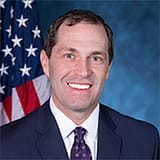
Jason Crow (CO-6)
Army Ranger, Iraq & Afghanistan
Flipped Republican district
Now ranking member, House Intelligence
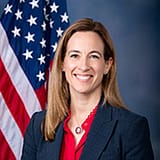
Mikie Sherrill (NJ-11)
Navy helicopter pilot, federal prosecutor
Flipped suburban New Jersey seat
Won by 14 points
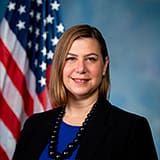
Elissa Slotkin (MI-7)
CIA analyst, three Middle East tours
Won Trump +7 district
Now Senator-elect (2024)
What these wins had in common: National security backgrounds gave candidates instant authority on defense issues, insulated them from “radical left” attacks, and resonated with independent voters skeptical of both parties. Note: Slotkin served as a CIA analyst, not in the military, but her national security experience provided similar electoral advantages.
— Travis Tazelaar, VoteVets Political Director
What’s Planned for 2026
Democrats are investing heavily in veteran candidates for the 2026 midterms. The stakes are clear: flip the House or face two years of unified Republican control.
Target districts include Pennsylvania, Michigan, Colorado, Nebraska, New York, Virginia, and Florida. Specifically, the focus is anywhere Republicans won by less than 5 points and veteran populations exceed 7%. Currently, VoteVets is actively recruiting Veteran Democrat candidates in each of these battleground areas.
Why This Approach Works
Military service carries political advantages that transcend partisan divides. Understanding why veterans win elections helps explain why the numbers look the way they do:
Authority on National Security
Put simply, you can’t attack someone’s patriotism when they literally put their life on the line for this country. As a result, Veteran Democrats are largely immune to “un-American” or “weak on defense” attacks that typically damage Democratic candidates.
Cross-Party Appeal With Independents
Military officers rank among the top three most trusted professions in America. Consequently, Veteran Democrat candidates win independents and moderate Republicans who won’t consider traditional Democrats.
“Country First” Positioning
“I wrote a blank check to my country for up to and including the value of my life.” This narrative cuts through partisan noise and, more importantly, resonates with swing voters tired of political posturing.
Leadership Under Pressure
Voters want leaders, not politicians. In contrast to career politicians, Veteran Democrat candidates have demonstrated they can make hard decisions under pressure. That record matters to swing voters in uncertain times.
Electoral Math in Swing States
Veteran Democrats perform well in exactly the places where Democrats need help most. The math is straightforward: swing states have high veteran populations, and those populations can decide close races.
Pennsylvania
7%
Veteran population
Biden 2020: +1.2%
Every vote counts
Arizona
10%
Veteran population
Gallego 2024: Won +2.4%
in Trump +5.5% state
Georgia
9%
Veteran population
Biden 2020: +0.3%
Veterans = margin
Michigan
7%
Veteran population
Slotkin 2024: Won Senate
National security appeal = victory
The pattern is clear: In states decided by less than 2 percentage points, veteran populations of 7-10% can influence the outcome. Furthermore, when Veteran Democrats run, they tend to outperform non-veteran Democrats by 3-8 points with independents and moderate Republicans. This electoral advantage explains why the approach is central to winning back the House in 2026.
Messaging That Works
Winning Veteran Democrat campaigns share common messaging DNA. Rather than running away from their service, they lead with it. However, they do it with purpose:
| Core Theme | How It Works | Example |
|---|---|---|
| Service Over Self | Emphasize oath to Constitution, not party. “Country first” positioning neutralizes partisan attacks. | “I wrote a blank check to America. In Congress, I’ll continue putting country over politics.” |
| Tested Leadership | Military experience = decision-making under pressure. Voters want tested leaders, not politicians. | “I’ve led troops in combat. I know how to make tough calls when lives are on the line.” |
| Local Roots | Veterans aren’t “outsiders.” Many serve locally after discharge. Emphasize community ties. | Gallego: “I came to Arizona after serving. I stayed because this is home.” |
| Bipartisan Solutions | Military teaches teamwork across differences. Perfect for swing voters tired of partisanship. | “In the military, mission comes first. We didn’t ask about politics. We got the job done.” |
| Fighting for Families | Connect service to kitchen-table issues. Veterans fought for freedom; now they’ll fight for healthcare, jobs, education. | “I fought for America overseas. Now I’m fighting for Arizona families here at home.” |
Want to implement this messaging framework in your campaign? Explore our veteran campaign messaging tool to develop your candidate’s story.
What NOT To Do
- Don’t question opponent’s patriotism. Veterans win on their record, not by attacking others’ service.
- Don’t hide from progressive policies. For example, Gallego co-sponsored Medicare for All but framed it through veteran healthcare lens.
- Don’t use military jargon. Voters respect service but don’t need tactical briefings. Keep it accessible.
- Don’t be defensive. Instead, lead with service confidently. Veterans earned the right to run.
Where This Leaves Democrats
Democrats don’t need to reinvent the wheel.
This approach exists. The data supports it.
What’s missing is a unified brand to amplify the movement.
30-40 veteran candidates
Helped flip 41 seats
House majority won
Gallego, Slotkin, Kim
143 VoteVets wins
Veteran advantage confirmed
$1M recruitment fund
Aggressive expansion
Warrior Democrats rising
Currently, VoteVets is recruiting the candidates. At the same time, the DCCC is targeting the districts. Meanwhile, progressive and moderate Veteran Democrats are answering the call.
While political strategists debate how Democrats can project strength and reclaim patriotic appeal, Veteran Democrats are already doing it. In short, the Warrior Democrat approach isn’t theoretical. It’s delivering results.
To learn more, read about the Warrior Democrat advantage and explore detailed election results that show how this works in practice.
Ready to Deploy This Approach?
Contact us to discuss how the Warrior Democrat brand can support your 2026 campaign.